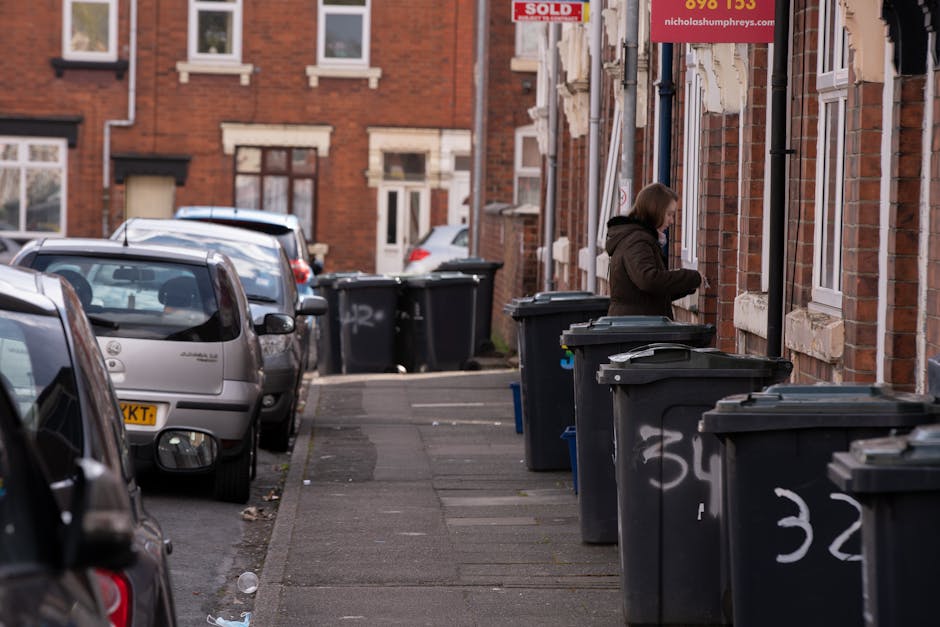
What to know about delays in Golders Green rubbish collection
If you are waiting on a missed bin lift, a late bulky waste pickup, or a rubbish collection that has simply not turned up in Golders Green, it can throw the whole day off. Bags pile up, odours start creeping in, and that tidy-plan you had for the afternoon goes out the window. What to know about delays in Golders Green rubbish collection is not just about being patient; it is about understanding why delays happen, what you can do while you wait, and when it makes sense to move to a more flexible rubbish removal option.
This guide walks through the practical side of delays in plain English. We will look at common causes, how local collection timing usually works, what residents and businesses can do to reduce disruption, and how to judge your next step if the waste is becoming a problem. There is also a checklist, a comparison table, and a few real-world scenarios so you can make a sensible decision without overthinking it.
Why delays in rubbish collection matter
A delayed rubbish collection is not just an inconvenience. In a busy area like Golders Green, even a short delay can affect household routines, shopfront presentation, shared bins in flats, and day-to-day hygiene. If a collection slips by a day, the impact may be minor. If it stretches longer, you can get overflow, extra smells, pest risk, and tension with neighbours or colleagues. Nobody enjoys wrestling a bag that has split at the bottom at 8 a.m. on a wet pavement. Been there, regrettably.
It matters because waste is time-sensitive. Food waste, garden waste, and mixed rubbish behave very differently once they sit outside in warm weather or cramped bin stores. A delayed pickup can also disrupt building works, office clearances, and end-of-tenancy moves, where timing is already tight. For those situations, knowing your backup options is as useful as knowing the collection calendar itself.
There is another angle too: delays can hide a bigger issue. Sometimes the problem is not the collection service at all, but access, placement, contamination in the bin, overloaded containers, or a misunderstanding about what should have been collected. Figuring out the reason early saves a lot of waiting around and guesswork.
Key takeaway: the sooner you identify whether the delay is temporary, repeated, or access-related, the faster you can protect hygiene, avoid overflow, and decide whether to wait or switch plans.
How rubbish collection delays usually happen
Most rubbish collection delays come from a handful of common causes. Some are simple and temporary; others need action from the resident, landlord, managing agent, or waste contractor. In practice, the delay often begins long before the truck reaches your street.
Typical reasons for delay
- Traffic and road access issues: parked cars, narrow roads, roadworks, or loading restrictions can slow collections in London very quickly.
- Weather disruption: heavy rain, ice, high winds, or poor visibility can affect collection timings and vehicle access.
- Operational backlogs: bank holidays, staff shortages, vehicle breakdowns, and route changes can push schedules back.
- Bin presentation problems: bins left in the wrong place, lids not closing, or sacks placed incorrectly may lead to a missed pickup.
- Contamination or sorting issues: if waste includes the wrong material, the crew may not take it.
- Access restrictions: locked gates, basement stores, blocked courtyards, and restricted entry points are common delay triggers in flats and managed properties.
To be fair, some delays are unavoidable. A vehicle can break down, the route can be rewritten at short notice, or a street can become temporarily inaccessible. But a lot of collection frustration comes from uncertainty. You do not know whether to keep the bags outside, bring them back in, or book an alternative collection. That uncertainty is the real nuisance.
For homes with bulky items or a bigger-than-usual clear-out, it can help to compare a scheduled collection with a more direct rubbish removal service. If timing is tight, a dedicated waste removal service may be more predictable than waiting for a delayed standard pickup.
Why understanding delays helps
Once you understand how delays work, you can make faster decisions and reduce the knock-on effects. That sounds obvious, but in real life people often wait too long, hoping the situation will sort itself out. Sometimes it does. Sometimes it does not.
Here are the practical benefits of knowing what to expect:
- Less clutter: you can keep waste contained and avoid piles spreading into hallways, gardens, or bin stores.
- Better hygiene: you can separate food waste, secure bags, and reduce smell before it gets out of hand.
- Fewer disputes: if you live in a shared block, early communication helps prevent blame games about who left what where.
- Smoother move-out or clearance: delays are less painful when you have a plan B for bulky items, furniture, or renovation waste.
- Better cost control: if a delay means extra storage or repeated handling, you can often avoid added hassle by acting sooner.
There is also a mental benefit, which is easy to overlook. A messy bin area can make the whole property feel off-kilter. Once you know what you are dealing with, you can tidy the problem instead of letting it sit there and irritate everyone all week.
If your waste issue is part of a larger clear-out, it may be worth looking at specialist help such as house clearance or home clearance rather than relying only on ordinary collection timing.
Who this guide is for and when it makes sense
This is for anyone in Golders Green who has had a collection delayed, missed, or pushed back without a clear explanation. That includes:
- homeowners dealing with overflowing bins or garden bags
- tenants in flats or shared houses
- landlords and managing agents handling communal waste
- small businesses needing reliable disposal of everyday rubbish
- builders and tradespeople with time-sensitive waste on site
- families after a clear-out, renovation, or bereavement-related property clearance
It makes sense to read this if you are not sure whether to wait for the next scheduled collection or book something else. It also helps if you are trying to decide whether a delay is "normal" or a sign that your waste setup needs adjusting.
For example, a flat block with one small bin store may cope fine most weeks, then suddenly struggle after a bank holiday. A local office moving furniture on a Friday afternoon will have very different needs from a household with one extra black bag. Different problem, different fix. Simple as that.
What to do step by step
If your rubbish collection is delayed, do not just stare at the bins and hope for the best. A calm, structured approach usually resolves things faster.
- Check the obvious first. Make sure the bins were placed out correctly, not blocked, and not overfilled. In shared properties, confirm they were in the right collection point.
- Look for local disruption. Think roadworks, parked vehicles, weather, or building access issues that may have affected the route. Often the reason is mundane.
- Separate waste types. Keep recyclables, food waste, and general rubbish apart if you can. That makes any later pickup simpler and cleaner.
- Communicate early. If you are in a managed building, tell the landlord, concierge, or managing agent. If you run a business, alert whoever handles waste scheduling.
- Secure the waste safely. Double-bag anything wet or smelly, keep lids shut, and move sacks away from doors and windows.
- Decide whether to wait or act. If the delay is likely short, waiting may be fine. If the waste is building up or the site is becoming unhygienic, consider a direct removal option.
- Choose the right backup service. For mixed household items, a clearance service may be more practical than a one-off bin wait. For furniture, loft clutter, or garage junk, specialist support can save time.
A small tip that helps more than people expect: take a quick photo of the waste area if the issue may need to be reported later. Nothing dramatic, just enough to show the condition before anything changes. It can save a lot of back-and-forth.
If the delay is linked to a larger property clearance, it may be worth checking flat clearance for smaller residential spaces or office clearance where desks, chairs, and mixed business waste need a more organised approach.
Expert tips for better results
Here is the thing: most delay problems are easier to manage before they become visible from the pavement. A few small habits make a big difference.
- Keep bins accessible the night before. If crews cannot reach them quickly, the collection can slip or be missed.
- Avoid loose items. Loose rubbish spreads, gets wet, and causes more mess than sealed sacks.
- Watch for overloaded containers. An overstuffed bin is awkward to lift and often leads to delays or refusal.
- Use the right service for the waste type. Garden waste, builders' rubble, broken furniture, and office junk should not all be treated the same.
- Build in a time buffer. If you are planning a move, renovation, or refurbishment, aim to clear waste earlier than the last possible moment.
In our experience, the people who stay calm about collection delays tend to be the ones who plan for "what if it slips by a day?" That extra cushion matters. Especially on a Friday afternoon, when everyone suddenly wants the job gone before Monday.
For waste that is already becoming a logistical issue, services like builders waste clearance and garden clearance can be a better fit than waiting for standard pickup cycles.
Common mistakes to avoid
Some delays turn into bigger problems because the situation is handled in a rushed or informal way. A few mistakes come up again and again.
- Leaving waste in the wrong place: if it is not where the crew expects it, it may not be collected.
- Mixing prohibited items in with general rubbish: that can lead to a missed pickup or a partial refusal.
- Assuming the delay will fix itself: sometimes it does, but not always.
- Waiting until the smell is awful: by then you are dealing with a hygiene issue, not just a timing issue.
- Booking the wrong type of clearance: a furniture job, for instance, is not the same as an office waste pickup.
One common slip is not checking access. A perfectly valid collection can fail simply because a gate is locked or a parked car blocks the route. That sounds almost annoyingly basic, but it happens all the time. Waste crews cannot magic their way through a wall, despite what people sometimes hope at 7 a.m.
If the waste includes old sofas, wardrobes, or other large items, it may be smarter to use a targeted service such as furniture disposal or furniture clearance rather than waiting for a general collection to catch up.
Tools, resources and practical recommendations
You do not need fancy software to deal with collection delays. Usually, the most useful tools are the simple ones people forget to use.
- Calendar reminders: useful for putting bins out on time and tracking repeat delays.
- Photos: handy if you need to show access problems or repeated overflow.
- Notes for neighbours or staff: a short message in a shared building can stop confusion.
- Separate containers: even basic sacks or boxes can help keep waste ordered while you wait.
- A clear backup plan: if a delay would create a health or access issue, know in advance who to call.
For larger jobs, it is often worth reviewing pricing and quotes before you are in a rush. That way, if a collection is delayed and the waste cannot wait, you already know what a faster alternative may involve. The same goes for understanding recycling and sustainability, especially if you want waste handled responsibly rather than just removed quickly.
If you are weighing up how a service will be handled, it can also help to read the company's about us page so you know a bit more about who is doing the work and how they operate.
Law, compliance, standards, or best practice
Waste handling in the UK is not just about convenience. There are basic legal and practical expectations around duty of care, safe handling, and appropriate disposal. You do not need to be a compliance specialist to understand the main idea: waste should be stored safely, collected responsibly, and passed to the right place by the right people.
For households, the main focus is usually cleanliness, correct presentation, and avoiding nuisance to neighbours. For businesses and landlords, the standard is higher because you may need to show that waste has been managed properly and that collection arrangements are clear. That is especially important where there are shared bin stores, refurbishment waste, or regular commercial disposal.
There is also a safety angle. Blocked exits, leaking bags, sharp items, and unstable piles of rubbish all create risks. A delay should never turn into a fire exit problem or a trip hazard. Best practice is to keep waste contained, maintain access routes, and move anything hazardous or awkward out of the way as soon as possible.
Where specialist handling is needed, it is worth checking whether the service has clear health and safety procedures and suitable insurance. That does not mean you need a lecture about paperwork. It just means you want confidence that the job will be done properly, without corner-cutting. Fair enough, really.
If you are dealing with regular waste as a business, business waste removal is often the more appropriate route than relying on ad hoc domestic-style collections.
Ways to handle delayed waste collections
Not every delay should be treated the same way. Sometimes the answer is to wait. Sometimes the answer is to act. The best choice depends on the type of waste, how much there is, and how quickly it is becoming a problem.
| Option | Best for | Pros | Cons |
|---|---|---|---|
| Wait for the next collection | Minor delays, low-volume household waste | No extra booking, simple if the delay is short | Can become messy if the delay extends |
| Re-present the waste correctly | Missed bins, access or placement issues | May solve the problem without extra cost | Only works if the original issue is fixed |
| Use a specialist clearance service | Bulky items, furniture, mixed waste, urgent clear-outs | More flexible timing, clearer removal plan | Usually more involved than a standard pickup |
| Split the waste into smaller loads | Large but non-urgent clearances | Reduces pressure on bins and storage space | Needs more effort and organisation |
If you are clearing a loft, garage, or a room full of unwanted items, a standard collection delay can quickly become a bigger headache than the rubbish itself. In those cases, loft clearance or garage clearance may be a cleaner solution than waiting around for a missed lift to come good.
Case study or real-world example
Picture a small block of flats near Golders Green Road on a damp Tuesday morning. The communal bins were put out correctly, but the lorry was delayed by roadworks and an awkward stretch of parked vehicles. By late afternoon, the bin store was fine, but the recycling corner had started to overflow because one household had added extra cardboard and another had left a few tied bags beside the bins.
At that point, the best response was not panic. The managing agent sent a short note to residents, asked everyone to keep waste inside overnight if possible, and arranged for the bins to be cleared as soon as access opened up. One resident, who had just finished a room refresh, had a stack of old chair frames and broken packaging waiting by the door. Rather than let that sit for another day, they arranged a direct clearance for the bulky items and kept the communal area clear.
The lesson? Delays are manageable when people react early and use the right type of service for the job. The mess gets smaller. The stress gets smaller too.
Practical checklist
Use this checklist when a collection is running late or looks likely to be delayed.
- Check that bins or sacks were placed in the correct pickup area.
- Make sure access is not blocked by cars, gates, or furniture.
- Confirm whether the waste type is suitable for that collection.
- Keep lids shut and bags tied to reduce smell and mess.
- Separate food waste, recyclables, and bulky items where possible.
- Tell neighbours, tenants, staff, or the managing agent if the waste area is shared.
- Take a photo if you may need to report the issue later.
- Decide whether the waste can wait safely for another day.
- Consider a dedicated clearance if the delay is affecting hygiene or access.
- Review your next pickup date so you do not get caught again.
That last one matters more than people think. A one-off delay is annoying; repeated delays usually mean the system needs a small fix. Maybe bigger bins. Maybe a better collection day. Maybe just less last-minute scrambling. Nothing glamorous, but it works.
If your next step is to get the waste handled properly and move on with the week, the most direct route is often to look at contact us when you are ready to ask about a suitable removal option.
Conclusion
Delays in Golders Green rubbish collection are frustrating, but they are rarely random once you look closely. Most come down to access, timing, weather, route pressure, or the waste itself being harder to collect than it first appears. Once you know the cause, you can choose the right response instead of just waiting and hoping.
The real goal is not simply to get rid of rubbish. It is to keep your home, flat, shop, office, or building safe, orderly, and easy to live or work in. A little planning goes a long way. And if the delay is turning into a bigger problem, there is no shame in switching to a more flexible clearance solution. That is just practical.
Get a free quote today and see how much you can save.
Frequently Asked Questions
Why is my rubbish collection delayed in Golders Green?
Delays often happen because of traffic, roadworks, bad weather, staff shortages, vehicle issues, access problems, or waste being presented incorrectly. In shared buildings, blocked bin stores are a frequent culprit.
How long should I wait before worrying about a missed collection?
If the delay is only a short shift in timing, you may just need to wait. If the waste is still there by the next expected pickup window, or it is starting to cause hygiene issues, it is worth taking action sooner rather than later.
What should I do if my bins were not collected?
Check access, presentation, and waste type first. Then speak to your landlord, managing agent, or waste contractor if relevant. If the delay creates overflow or smell, secure the waste and consider an alternative removal solution.
Can I leave rubbish out longer if collection is delayed?
Only if it can be kept safely and legally without causing nuisance, spillages, or access problems. If bags are likely to burst, attract pests, or block walkways, it is better to move them or arrange prompt removal.
Are delays more common for flats and shared buildings?
Yes, shared properties often have more access problems, tighter storage areas, and more people using the same bins. A single blocked entry or overfilled bin store can affect the whole building.
What if the delay is caused by weather?
Weather-related delays are common and usually temporary. Keep waste secure, dry where possible, and away from entrances. If it is food waste or anything perishable, do not let it sit out any longer than necessary.
Is a rubbish delay the same as a missed collection?
Not quite. A delay means the collection is later than expected but may still happen. A missed collection means it did not happen as planned and may need to be reported or rescheduled.
When should I choose a waste removal service instead of waiting?
If the waste is bulky, time-sensitive, or affecting hygiene and access, a direct rubbish removal option can be better than waiting for the next standard collection. It is especially useful for furniture, loft clutter, garden waste, and building debris.
Can businesses in Golders Green use a different approach for waste delays?
Yes. Businesses often benefit from more flexible arrangements because overflowing waste can affect customers, staff, and compliance. If your collections keep slipping, a planned business waste setup may work better.
What waste is most likely to become a problem during a delay?
Food waste, mixed household rubbish, wet cardboard, garden clippings, and bulky items are the quickest to become awkward. They smell, spill, or take up space fast, so they are best dealt with early.
Does recycling cause more collection delays?
Not usually on its own. Problems tend to arise when recycling is contaminated, overfilled, or mixed with general waste. Keeping materials separated properly helps avoid avoidable refusal or delay.
How do I keep a delayed collection from upsetting neighbours?
Keep the waste tidy, communicate early, and avoid leaving loose bags in shared areas. A short note or message can prevent confusion and stop frustration from building up.
What if I need urgent help with a large pile of waste?
If the waste cannot wait, a specialist clearance is often the quickest practical route. For a larger clear-out, you can also review services such as house clearance or waste removal depending on the type of items involved.
How can I reduce the chance of future rubbish collection delays?
Put bins out on time, keep access clear, avoid overfilling, and use the correct service for the waste type. For bigger jobs, plan ahead instead of waiting until the last minute. That small bit of preparation saves a lot of fuss.