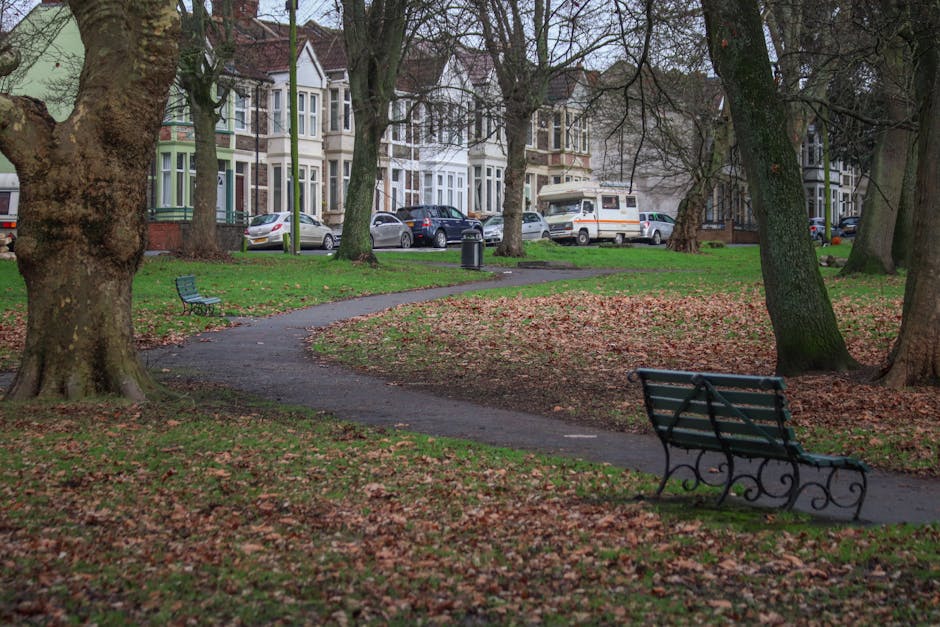
Rubbish removal near Golders Hill Park Golders Green: a practical local guide
If you are looking for rubbish removal near Golders Hill Park Golders Green, chances are you want two things at once: the waste gone quickly, and the whole job handled properly. That is fair enough. Whether it is old furniture, garden cuttings, builders' debris, or the kind of clutter that quietly builds up in a loft for years, the best local rubbish removal service should feel simple, tidy, and reassuring from the first call to the final sweep-up.
In a busy part of North West London, timing matters. Space is tight, pavements can be busy, and nobody wants sacks of waste sitting outside longer than necessary. This guide walks through how rubbish removal works near Golders Hill Park, what to expect, what to avoid, and how to choose the right approach for your home, flat, or business. It also covers practical steps, compliance basics, and the sort of details weaker pages usually skip. Let's face it, waste removal sounds straightforward until you actually need it done.
Table of Contents
- Why rubbish removal near Golders Hill Park Golders Green matters
- How rubbish removal near Golders Hill Park Golders Green works
- Key benefits and practical advantages
- Who this is for and when it makes sense
- Step-by-step guidance
- Expert tips for better results
- Common mistakes to avoid
- Tools, resources and recommendations
- Law, compliance, standards, or best practice
- Options, methods, or comparison table
- Case study or real-world example
- Practical checklist
- Conclusion
- Frequently asked questions
Why rubbish removal near Golders Hill Park Golders Green matters
Golders Hill Park is one of those places that gives the area a bit of breathing room. Families walk through after school, people cut across on foot, and nearby roads often have a constant rhythm of cars, deliveries, and pedestrians. In that kind of setting, rubbish removal is not just about getting rid of clutter. It is about doing it without creating mess, obstruction, or stress for everyone else on the street.
That matters for several reasons. First, waste left outside for too long can attract attention you do not want, from complaints to unwanted scavenging. Second, bulky items can make access awkward in terraces, maisonettes, and apartment buildings. Third, the area mixes homes, small businesses, and renovation projects, which means the waste stream can be a bit of everything: broken wardrobes one day, office clear-outs the next, garden waste on the weekend.
There is also a practical local angle. In neighbourhoods with limited parking and narrow access, a careful rubbish removal team saves you time because they understand how to load efficiently and minimise disruption. A good service should feel almost invisible once the work is done. That is the ideal, anyway.
If you are comparing broader service options, it can help to look at general waste removal support alongside more specific services such as furniture disposal or garden clearance. The right choice depends on what you are throwing away, how much there is, and how urgently you need it gone.
How rubbish removal near Golders Hill Park Golders Green works
Most rubbish removal jobs follow a simple pattern, though the details can vary a little. Usually, you start with a description of the waste, then agree on access, timing, and price expectations. After that, the team arrives, loads the rubbish, clears the area, and takes everything away for sorting, reuse, recycling, or disposal.
In real life, a good job tends to include a few steps that are easy to miss if you have never booked this before:
- Identify the waste type and volume.
- Check whether anything needs special handling, such as heavy furniture or builder's rubble.
- Confirm access details, including stairs, parking, and any lift restrictions.
- Discuss whether the clearance is a one-off or part of a larger project.
- Arrange collection and completion in a time window that suits your day.
That sounds simple because, in a well-run service, it should be simple. But it works best when the customer is upfront. If you have a loft packed with mixed items, say so. If the waste is all from a bathroom rip-out, mention that too. A ten-minute honest description can save an annoying mismatch later. Nobody enjoys the surprise truck.
Different jobs need different service types. For instance, after home improvements, builders' waste clearance is often a better fit than a general tidy-up. For business premises, business waste removal is usually more appropriate because timing, documentation, and access can matter more than in a domestic clearance.
Key benefits and practical advantages
The clearest benefit is obvious: the rubbish disappears. But the real value is in what that allows you to do next. Once the waste is out, spaces become usable again. A spare room can become a spare room again. A garage stops being a storage puzzle. A garden feels like a garden, not a dumping ground.
Here are the practical advantages people usually care about most:
- Speed: useful when you need a room cleared before delivery, decorating, or tenancy handover.
- Less physical strain: useful if items are bulky, awkward, or just too much for one person.
- Cleaner finish: a proper clearance should leave the area swept and ready for the next step.
- Better sorting: reusable or recyclable materials can be separated where appropriate.
- Local convenience: a nearby team can often work around tight schedules more easily.
Another quiet advantage is decision relief. If you have been staring at the same pile of stuff for weeks, booking a collection forces the issue in a good way. You stop negotiating with the clutter. You just deal with it. That alone can feel surprisingly good.
For larger or more varied jobs, services like home clearance, house clearance, or flat clearance may be more efficient than trying to treat everything item by item. If the waste is mainly old sofas, chairs, or tables, then furniture clearance can be the cleaner route.
Expert summary: the best rubbish removal is not just fast; it is orderly, transparent, and matched to the type of waste you actually have. That combination saves time, avoids surprises, and keeps the job calm.
Who this is for and when it makes sense
Rubbish removal near Golders Hill Park Golders Green makes sense for a wide mix of people. Some are moving house. Some are clearing after a refurbishment. Some are finally dealing with a garage that has become a long-term holding area for "things we might need one day." Truth be told, that last one happens a lot.
You may benefit from rubbish removal if you are:
- moving out of a flat or house and need a fast clear-out
- renovating a kitchen, bathroom, or office
- refreshing a garden after pruning, landscaping, or storm damage
- disposing of old furniture or broken household items
- clearing a loft, basement, or storage room
- preparing a rental property for new tenants
- removing mixed waste from a shop, studio, or office
In some cases, a targeted service is best. A messy shed or overgrown border may need garden clearance. A cluttered attic is more suited to loft clearance. A garage full of old paint tins, boxes, and forgotten tools may call for garage clearance.
When you match the service to the job, everything runs better. It is a small thing, but it makes a noticeable difference.
Step-by-step guidance
If you want the smoothest possible rubbish removal experience, a little preparation helps. You do not need to organise the whole street or label every bag. But a few sensible steps make the job quicker and often cheaper too.
- Walk through the waste first. Separate what is rubbish from what should stay. It sounds obvious, but people do accidentally include things they still need.
- Group similar items together. Wood, metal, furniture, green waste, and general bagged rubbish are easier to manage when they are not scattered across three rooms.
- Check access points. Make sure doors, gates, stairwells, and parking arrangements are known in advance.
- Flag anything unusual. Heavy items, fragile surroundings, or awkward loading conditions are worth mentioning early.
- Ask how the waste will be handled. If sustainability matters to you, it is reasonable to ask how items are sorted and where reusable material may go.
- Be present if needed. Sometimes a quick answer in person saves time. Other times, it helps to stay out of the way and let the team work.
- Do a final check. Before the vehicle leaves, glance around for missed items, especially behind doors, under shelves, or in the garden corner where things love to hide.
If the job is partly about clearing an entire property, you may want to compare it with furniture disposal or a fuller house clearance. Sometimes the best route is the one that covers everything in one visit. Less back-and-forth, less faff.
Expert tips for better results
A few field-tested habits can make rubbish removal easier, especially in built-up local streets where access and timing are part of the game.
1. Photograph the waste before booking. Not for drama. Just for clarity. A couple of photos usually help avoid vague descriptions like "a few bits" when the pile is actually a small mountain.
2. Keep walkways clear. If the team can move safely from door to vehicle without obstacle courses, the job speeds up. Fewer trips, less risk, less noise.
3. Say if anything is especially heavy. Filing cabinets, stone, old appliances, and damp garden waste can all behave differently. Weight changes everything.
4. Be honest about mixed waste. Mixed loads are common. That is fine. Just do not describe a builders' skip worth of rubble as "a couple of bags." That never ends well.
5. Think ahead about the next use of the space. If a room is being painted the same afternoon, the clearance should fit that plan. If a tenant is moving in tomorrow, timing matters even more.
6. Keep valuables and keep-sakes separate. This sounds basic, but it is easy to overlook when you are rushing. Old letters, photos, chargers, and documents have a habit of blending into the background.
7. Ask about recycling and responsible handling. A trustworthy clearance provider should be able to explain how materials are managed without turning the conversation into a lecture.
One last thing. If you feel overwhelmed by the amount of stuff, start with one corner. Not the whole room. Just one corner. Momentum matters more than perfection.
Common mistakes to avoid
Most waste-clearance problems come from avoidable misunderstandings. Nothing dramatic, just the usual human stuff.
- Underestimating volume: people often think the load is smaller than it is. It is a classic. Bags breed, apparently.
- Forgetting access issues: narrow stairs, parking limits, and awkward entrances can change the plan.
- Mixing keep and remove items: this is how regret starts.
- Choosing on price alone: the cheapest option is not always the best value if it is slow, unclear, or careless.
- Leaving sorting until collection day: that tends to create stress and delays.
- Ignoring specialist needs: builders' rubble, office equipment, and large furniture may all need different handling.
There is also a softer mistake: waiting too long because the mess feels embarrassing. Honestly, people do this all the time. But most clearance teams have seen everything. Old mattresses, broken wardrobes, mystery boxes, the lot. No judgement. Just better to get it sorted and move on.
Tools, resources and recommendations
You do not need a toolkit to arrange rubbish removal, but a few practical items can help you manage the process well.
| Item | Why it helps | When to use it |
|---|---|---|
| Phone camera | Shows the volume and type of waste clearly | Before booking or when requesting a quote |
| Marker labels or tape | Helps separate keep items from remove items | During a house, loft, or office sort-out |
| Gloves | Useful for handling dusty, sharp, or awkward items | When moving waste into a staging area |
| Dust sheets or covers | Protects floors and clean furniture nearby | During indoor clearances |
| Notepad or checklist | Stops important items being missed | Before and during larger clearances |
From a service perspective, it is worth checking whether you need a narrow job or a broader clearance. For example, a packed office with old chairs, monitors, files, and shelving may point towards office clearance. A space that needs multiple categories handled at once may be better served by a fuller waste removal visit.
If the property is being emptied in part because of redevelopment or repair, builders' waste clearance is often the most practical fit. And if you are comparing how a provider handles standards and customer care, pages like insurance and safety, health and safety policy, and recycling and sustainability can help build confidence.
Law, compliance, standards, or best practice
Waste removal in the UK sits within a practical framework of responsibility. You do not need to become an expert overnight, but you should know that waste should be handled by a legitimate, traceable service and not simply passed along carelessly. If a provider is vague about where waste goes, that is a red flag. Not a tiny one either.
Good practice usually includes:
- clear description of what will be removed
- careful handling of waste types that may need special attention
- sorting materials where possible for reuse or recycling
- safe lifting and loading methods
- keeping access routes safe for residents, neighbours, and passers-by
- transparent terms around payment and service scope
For domestic customers, it is sensible to ask whether items will be reused, recycled, or disposed of appropriately. For businesses, the expectations can be higher because access, record-keeping, and operational downtime matter. If you are arranging a commercial clearance, a provider's policies on payment and security and terms and conditions can be worth a quick read before you commit.
One practical rule of thumb: if the work looks risky, awkward, or unusually heavy, slow it down and ask questions. A careful job is usually the best job. Simple as that.
Options, methods, or comparison table
Different clearance methods suit different situations. There is no single perfect answer. The best option depends on urgency, volume, access, and how much sorting you are willing to do yourself.
| Method | Best for | Pros | Watch-outs |
|---|---|---|---|
| DIY trips to disposal facilities | Small, manageable loads | Can suit very light volumes if you have time | Time-consuming, heavy lifting, parking and transport hassles |
| Skip hire | Longer projects with predictable waste | Useful if waste will build over days | Takes space, can require permits, loading is on you |
| Professional rubbish removal | Mixed loads, urgent jobs, bulky items | Fast, convenient, less physical effort | Needs clear communication so the quote matches the load |
In many real-world cases, professional rubbish removal is the balanced option. It suits busy households, landlords between tenancies, and small businesses that do not want the whole week swallowed by waste logistics. For a garage, loft, or flat, it often wins on convenience alone.
Case study or real-world example
A fairly typical local scenario goes like this. A family near Golders Hill Park clears out a spare room before a new baby arrives. Over the years, the room had become a kind of unofficial storage zone: a broken chair, a box of old books, an extra mattress, some flat-pack packaging, and a few bags of things nobody wanted to sort on a rainy Saturday afternoon.
They started by separating keep items from remove items, then grouped the waste into furniture, cardboard, and general rubbish. Because the stairs were narrow and the front access was a little awkward, they made sure that was mentioned upfront. The clearance team arrived, loaded the items in stages, and swept through the room before leaving. Nothing dramatic. No fuss. But the family got the room back the same day, which in that moment mattered a great deal.
That is the real value of good rubbish removal. Not the truck. Not the lift. The feeling when a space is usable again. You open the door and think, right, that is better.
Practical checklist
Use this quick checklist before your rubbish removal appointment:
- Have I separated keep items from waste?
- Do I know roughly how much needs removing?
- Have I flagged any heavy, fragile, or awkward items?
- Is access clear enough for safe loading?
- Have I checked whether the waste is general, furniture, garden, builders', or office-related?
- Do I need a broader clearance service rather than a small removal?
- Have I kept valuables, documents, and keepsakes out of the clearance zone?
- Do I understand the basic service terms and payment details?
- Have I asked about sorting, recycling, or disposal handling if that matters to me?
- Am I ready for a final walkthrough before the team leaves?
For bigger projects, this is also a good moment to review the provider's core services such as garage clearance, loft clearance, or home clearance. Matching the job to the service keeps things simple.
Conclusion
Rubbish removal near Golders Hill Park Golders Green should be straightforward, respectful of the area, and tailored to the kind of waste you actually need gone. The best results come from a mix of clear communication, realistic expectations, and a service that treats access, safety, and sorting as part of the job rather than an afterthought.
If you are clearing a flat, a family home, a garden, or a workplace, the key is to choose the right type of removal and prepare the space just enough to make the process smooth. That way, you do not just get rid of rubbish. You get back time, space, and a bit of peace of mind too.
Get a free quote today and see how much you can save.
Sometimes the best upgrade to a home or business is simply getting the old stuff out of the way, and then breathing a bit easier.
Frequently asked questions
What does rubbish removal near Golders Hill Park Golders Green usually include?
It usually includes collection, loading, transport, and responsible handling of general household waste, furniture, garden waste, or mixed items. The exact scope depends on the service and the type of rubbish involved.
Can I book same-day rubbish removal?
Often, yes, if the schedule allows and access is clear. Same-day service is most realistic for straightforward jobs where the waste type and amount are easy to confirm quickly.
Is rubbish removal better than skip hire for a flat?
For many flats, yes. Rubbish removal is often easier because you do not need to manage a skip outside, deal with parking pressure, or load everything yourself over several days.
What kind of waste is most commonly removed in this area?
Common jobs include old furniture, general household clutter, garden waste, renovation debris, and office clear-outs. The mix varies a lot because the area includes homes, flats, and local businesses.
How should I prepare for a collection?
Separate keep items from waste, clear access routes, and let the provider know about anything heavy or awkward. A few photos can also help if the volume is hard to describe.
Do I need to sort recycling myself?
Usually not. A proper waste removal service can sort materials as part of the process, although it helps to mention anything that may need special attention, such as metal, wood, or electrical items.
What if I only have one bulky item to remove?
That can still make sense. A single sofa, wardrobe, mattress, or appliance can be awkward to move without help, especially in a tight hallway or upstairs flat.
Is rubbish removal suitable for office clearances too?
Yes. If you are clearing desks, chairs, files, shelving, or mixed office items, an office clearance service is often the better fit because it handles business premises more neatly.
How do I know if I need builders' waste clearance instead of general rubbish removal?
If the waste is mainly from renovation or construction work, builders' waste clearance is usually the better match. It is designed for rubble, offcuts, packaging, and similar project debris.
What should I look for in a trustworthy service?
Look for clear communication, sensible handling of access and safety, transparent pricing, and a sensible approach to recycling or disposal. If a provider is vague, keep looking.
Can a rubbish removal team help with whole-property clearance?
Yes, and that is often where they are most useful. Whole-property jobs are common when someone is moving, downsizing, renovating, or dealing with an inherited home.
How do pricing and quotes usually work?
Quotes generally depend on the volume, type of waste, access conditions, and how much labour is involved. For a clearer idea before booking, it helps to review pricing and quotes.